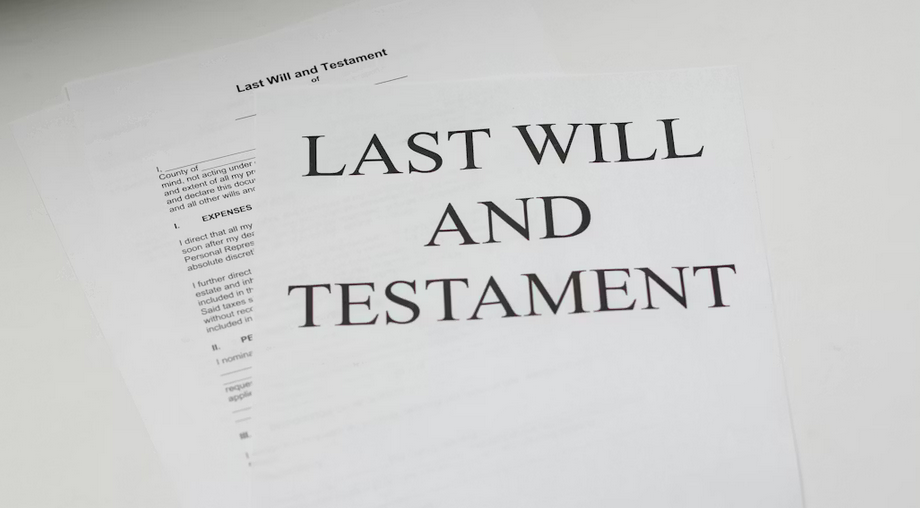
Grief can make even calm families uneasy, and a will can flip that tension switch fast. One minute, everyone is sharing memories, and the next, someone is rereading a paragraph with raised eyebrows. Confusion often comes before conflict. Many legal guides point to the key factors in will dispute cases as the sparks that turn inheritance into a courtroom showdown. Will contests are not just for massive estates or famous last names. Every day, families deal with them more than most people think. A missing signature, a sudden change, or a questionable witness can shift the mood instantly. Once doubt sets in, it rarely stays quiet. That is how legal challenges usually take their first breath.
Mental Capacity at the Time of Signing
A frequent reason wills face scrutiny is mental capacity. Courts want proof that the person signing understood what they owned and who would receive it. Illness, memory loss, or medication can raise doubts quickly. Timing matters a lot in these claims. Family members may point to hospital visits or cognitive decline as warning signs. Medical records often enter the discussion early. Witnesses may also be asked about behavior around the signing date. Even small inconsistencies can keep a case alive longer than expected. Capacity does not require perfect health. People are allowed bad days and still retain legal awareness.
Pressure and Influence Behind Closed Doors

Another common trigger involves pressure from someone close. This usually comes from caregivers or relatives with daily access. Influence does not have to look aggressive to matter legally. Emotional dependence can count too. Judges examine who benefited and how much control they had. Did someone manage finances, limit visitors, or speak for the testator often? These details shape the case. Sudden loyalty shifts late in life often draw attention. Patterns usually matter more than single moments. Courts compare older versions of the will with newer ones. Large changes without a clear explanation raise eyebrows fast.
Mistakes in Execution and Witnessing
Some disputes start with boring paperwork, yet the impact is huge. Wills must follow strict signing rules to hold up. Missing witnesses or incorrect signatures can undo everything. Courts rarely bend on these issues. People sometimes rely on templates without knowing local laws. A handwritten will can also fail if it skips required steps. These errors often surface after emotions are already high. That makes them even harder to accept. Challenges based on execution move quickly. Judges focus on statutes, not stories. If requirements are not met, the document may lose its power. That outcome can surprise families the most.
Unexpected Changes and Family Shockwaves

Surprise is a powerful motivator for disputes. When heirs expect one outcome and see another, questions follow. Cutting out a child or favoring one sibling can sting deeply. Silence around these choices adds fuel. Courts allow people to distribute property freely. Fairness is not the standard. Intent is what matters most. If changes clash with years of statements, challengers often step forward. Friends and relatives may testify about promises made. These accounts can influence how a judge views intent. Emotional reactions often drive cases longer than logic alone. Hurt feelings tend to linger.
Why Will Contests Escalate So Quickly
Once a challenge begins, it rarely stays small. Legal deadlines, filings, and responses pile up fast. Costs rise, and relationships strain. Even minor disputes can grow teeth quickly. Clear planning reduces these risks significantly. In the end, clarity protects both assets and families.